
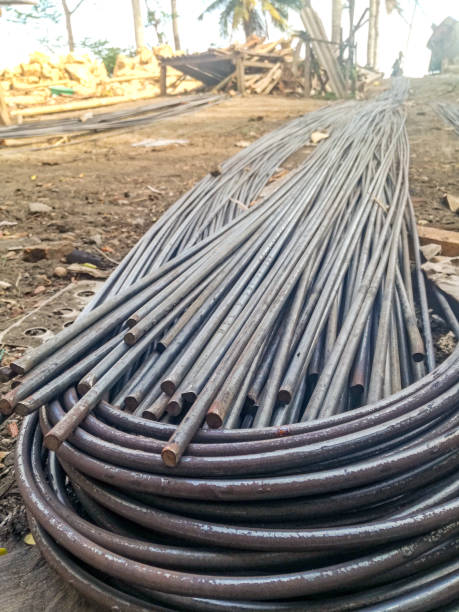


I still remember the first time I walked into a small fabrication yard near my place. Dust everywhere, the smell of hot metal, chai glasses on a half-cut steel angle. That’s kind of where my curiosity about construction materials really kicked in. People talk big about designs and blueprints, but on ground level it always comes down to stuff like Tmt bars, steel angles, and whether the material will actually hold when things get rough. Funny thing is, most of the real decisions aren’t made in offices, they’re made standing around a pile of steel, arguing.
Steel angle products and reinforcement bars kind of go hand in hand. One gives shape, the other gives backbone. You mess up either, and your building starts complaining before people do.
What Builders Don’t Always Say Out Loud
Here’s something nobody really advertises on hoardings. Not all steel behaves the same once it leaves the factory. On paper, everything looks shiny and strong. On site, after a few months of rain, heat, and bad handling, you see the truth. I’ve seen steel angles twist slightly because they were stored wrong, and then suddenly everyone starts blaming the supplier. Happens more than you’d think.
When people compare materials, they often talk about yield strength and ductility like they’re discussing cricket stats. Important, yes, but real-world performance matters more. Reinforcement steel works best when it cooperates with concrete, not fights it. Same with angles and channels, they need to align with load paths or else stress finds weird ways to travel.
Online, especially on construction forums and WhatsApp groups, there’s always some heated debate. One contractor swears by one brand, another says it cracked during bending. Hard to tell what’s true sometimes, but patterns do show up if you listen long enough.
Why Angles and Bars Are Usually Chosen Together
Steel angle products are sort of the unsung heroes. They don’t get the spotlight like reinforcement bars, but they quietly support staircases, frames, sheds, and all those parts you don’t notice until they fail. When angles and reinforcement steel are from decent quality sources, the whole structure feels more forgiving. It’s like having good bones and strong muscles at the same time.
I once spoke to a site engineer who explained it in the simplest way possible. He said reinforcement steel is like your spine, while angles are like your joints. You can’t cheap out on joints and expect smooth movement. That line stuck with me, even if it’s not exactly textbook engineering.
There’s also a lesser-known stat floating around from an industry meetup I attended. Nearly one-third of minor structural issues reported in small commercial buildings come from improper steel selection or mismatch between angles and bars. That’s not a huge collapse number, but enough to cause long-term headaches and repair costs.
People Care More Than You Think
Scroll through social media and you’ll see memes about real estate and half-finished projects, but dig deeper and you’ll find serious conversations too. Builders sharing photos of bent steel, engineers debating whether higher ductility actually helps in low-rise buildings, and even homeowners asking if they should be worried about rust marks near columns.
What I notice is that trust plays a massive role. Once a supplier or product gains a reputation for consistency, people stick to it, even if it costs a bit more. Nobody wants to redo shuttering or rework steel cages. Time lost on site feels worse than money lost, honestly.
And yeah, sometimes decisions are emotional. A contractor had a bad experience once, and that brand is dead to him forever. Not exactly scientific, but very human.
Steel Isn’t Just Steel When You’re Building Something Real
There’s this misconception that all steel is basically the same. Just metal, right? Not really. Small differences in composition and treatment can change how steel behaves during bending, welding, or under stress. For angle products, this matters a lot because they often take uneven loads. For reinforcement, flexibility without snapping is key, especially in seismic zones.
In my own writing work, I’ve noticed readers connect more when you talk less like a brochure and more like a person who’s been around sites. Because the reality is messy. Steel gets scratched, bent, sometimes even abused. Good quality material forgives a bit of that abuse.
By the time you reach the final stages of construction, the last thing you want is doubt. That’s why discussions around Tmt bars keep popping up, especially among builders working on mixed steel structures. Local availability, consistent supply, and how the steel pairs with angle products becomes a deciding factor.
At the end of the day, buildings don’t care about marketing claims. They respond to load, weather, and time. Choosing the right combination of steel angles and reinforcement bars isn’t about being fancy, it’s about sleeping better at night knowing the structure won’t surprise you later. And honestly, after spending time around construction sites, that peace of mind feels priceless.