
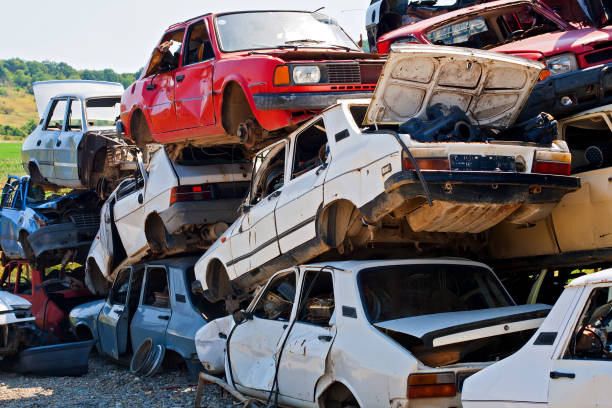


Most vehicle owners expect occasional maintenance and repairs over the years. However, there comes a point for some cars when the amount of time, money, and stress involved in keeping the vehicle running begins outweighing the convenience of owning it.
What makes this difficult is that the transition usually happens gradually rather than all at once.
Constant Small Repairs Add Up Quickly
A vehicle does not need catastrophic damage to become expensive.
Many aging cars slowly drain money through repeated smaller problems such as:
- Oil leaks
- Battery replacements
- Brake repairs
- Sensor failures
- Suspension noise
- Tire wear
Individually, these repairs may not seem overwhelming. Over time, though, the combined expenses can become surprisingly high.
Many owners only realize the total cost after looking back at months or years of repair receipts.
Reliability Starts Becoming Unpredictable
One of the most frustrating parts of owning an older vehicle is uncertainty.
Drivers may begin asking themselves questions like:
- Will the car start tomorrow morning?
- Can it handle a long trip?
- Is another warning light about to appear?
- Will this repair actually fix the problem?
Once confidence in the vehicle starts disappearing, even routine driving may become stressful.
The Vehicle Begins Taking More Time Than Expected
Older cars often require more attention than people anticipate.
Owners may spend increasing amounts of time:
- Visiting repair shops
- Waiting for parts
- Scheduling inspections
- Arranging towing
- Managing temporary transportation
Eventually, the inconvenience becomes almost as frustrating as the repair costs themselves.
Fuel Costs Become More Noticeable
As vehicles age, engines and transmissions often become less efficient.
Drivers may notice:
- More frequent fuel stops
- Rougher acceleration
- Increased oil consumption
- Reduced overall performance
Even gradual decreases in fuel economy can significantly increase yearly operating expenses over time.
Rust and Wear Continue Spreading
Cosmetic and structural wear rarely stay isolated.
Small rust spots may eventually spread into:
- Wheel wells
- Undercarriages
- Door edges
- Suspension areas
At the same time, vehicles may also develop:
- Faded paint
- Interior cracking
- Water leaks
- Loose trim
- Worn upholstery
The combined effect often makes the vehicle feel much older than it once did.
Warning Lights Become a Regular Part of Driving
Modern vehicles rely heavily on sensors and electronics.
As cars age, recurring dashboard lights often become common because of:
- Electrical corrosion
- Sensor failures
- Wiring problems
- Emissions system issues
Some owners eventually grow so used to warning lights that they stop paying attention to them entirely, which can allow larger problems to develop unnoticed.
Repairs Often Start Overlapping
One major challenge with aging vehicles is that systems begin failing around the same time.
A car may suddenly need:
- Brake work
- Suspension repairs
- Exhaust replacement
- Cooling system service
- Tire replacement
all within a relatively short period.
When repairs overlap like this, maintaining the vehicle may stop feeling financially practical.
The Car Stops Feeling Dependable During Emergencies
Drivers often tolerate aging vehicles until an important situation exposes the lack of reliability.
Problems become more serious when breakdowns happen during:
- Work commutes
- Family emergencies
- Severe weather
- Highway travel
- Late-night driving
Moments like these often change how owners view the vehicle long-term.
Some Owners Keep Hoping Things Will Improve
Many people continue investing into older cars because they hope the next repair will finally stabilize the situation.
Unfortunately, once vehicles reach certain mileage and age ranges, additional problems often continue appearing regardless of previous repairs.
This cycle can become emotionally and financially exhausting over time.
Eventually, Simplicity Becomes More Appealing
At some point, many owners decide they no longer want the stress associated with maintaining an unreliable vehicle.
Instead of continuing to spend money on repairs, storage, or repeated maintenance, some people begin looking for simpler ways to move on from the car entirely.
This is one reason many drivers eventually consider services such as Cash For Junk Cars when the vehicle no longer feels worth the ongoing investment of time, money, and attention.
Preventative Maintenance Still Helps
Even though aging vehicles naturally wear down, consistent maintenance can still delay many expensive problems.
Helpful habits include:
- Addressing warning signs early
- Checking fluid levels regularly
- Repairing leaks promptly
- Inspecting tires and brakes often
- Protecting against rust
Routine care can improve reliability and help owners avoid larger repair chains later.
Final Thoughts
Vehicles rarely become burdens overnight. More often, it happens gradually as repairs increase, reliability declines, and ownership becomes more stressful than convenient. Recognizing these patterns early can help drivers make more practical and financially responsible decisions about long-term vehicle ownership.