
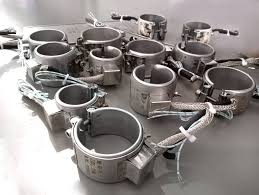


Small mistakes can shorten the life of your heater more than you think. A mica band heater is built for high efficiency, but it still needs smart handling to stay reliable. Getting the most out of your heating investment starts with a few straightforward habits—ones many operators often skip.
Snug Heater Fit Ensuring Effective Thermal Transfer
A tight fit isn’t just a detail—it’s everything. Without a snug connection between your mica band heater and the barrel or nozzle, heat won’t flow where it should. That means wasted energy and uneven temperatures, which can compromise both your process and product. A loose band also leads to hot spots that wear out the mica insulation faster than expected.
For proper performance, the mica band should hug the surface without gaps. Check that the heater matches the diameter of the surface it’s wrapped around. Avoid forcing a too-small band or settling for one that’s just a bit too big. Even small mismatches can hurt performance. For anyone eyeing long-term value and steady output, making sure your mica band fits like a glove is a non-negotiable first step.
Periodic Strap Retightening to Maintain Heat Consistency
Heat makes metal expand. That means over time, the once-tight straps holding your mica band in place can loosen without warning. This shift reduces heat transfer, forces your system to work harder, and adds stress to the band itself. Periodic retightening keeps things aligned and steady—even during long production runs.
Don’t wait for signs of failure to act. Set a maintenance schedule and check those straps as part of your regular process. It doesn’t take long, and it’s a habit that pays off. Especially for operations where heater replacement isn’t cheap, retightening straps helps stabilize your setup and stretch the life of your unit.
Temperature Limits Guarding Against Premature Degradation
Going beyond the recommended temperature range might deliver a short-term gain, but it’ll cost you later. A mica band heater performs best within specific temperature limits, often around 600°F for mica-based designs. Pushing past that range breaks down the insulation, warps the sheath, and can drive up mica band heater price if replacements become frequent.
Smart operators respect these limits. Use a reliable temperature controller and monitor closely during heat-up and cooldown cycles. Even if you’re heating polymers that require precision, better to fine-tune the system than run the risk of burnout. Staying within spec isn’t just a rule—it’s a way to protect both your process and your budget.
Avoiding Excessive Cycling to Preserve Heater Integrity
Frequent on-off cycling stresses more than just your electrical system. It puts thermal strain on the mica band’s inner layers, especially the insulation. That strain causes microcracks, and once those develop, performance drops fast. A heater running through too many start-stop cycles won’t last long—no matter the quality or mica band heater price.
The solution is to smooth out your heating demands. Consider programmable logic controllers or simple timers to manage ramp-up and cooldown rates. Keeping your mica band in a steady temperature range protects its internal structure and avoids unnecessary fatigue. If the goal is consistent operation and fewer replacements, limit the cycling.
Clean Installation Surface Preventing Contamination Stress
Dust, oil, and residue might seem harmless—but they’re not. Any contamination between the mica band and the surface it’s heating can interfere with thermal contact. Over time, this leads to overheating in localized spots, which burns out the heater from the inside out.
Always wipe down surfaces before installing or reinstalling a mica band. Use a lint-free cloth and a degreaser if necessary. It’s a quick step that avoids long-term damage. Many foot-dragging issues in production lines trace back to contamination, not faulty equipment. Clean surfaces mean better heat flow, better results, and fewer surprises.
Correct Clamp Torque Upholding Mica Structure Stability
Over-tightening can crush the mica insulation inside the heater, while under-tightening leads to weak thermal contact. Both mistakes shorten the lifespan of your heater and affect how evenly heat is delivered. Applying the correct clamp torque during installation is essential—and often overlooked.
Use a torque wrench if available, and refer to the manufacturer’s specs. This avoids crushing the internal structure while still securing a firm grip. Paying attention to torque not only protects the mica band but also stabilizes the heat profile, which is especially important for tight-tolerance materials and precision processing environments.
Scheduled Maintenance Checks for Consistent Operational Life
Like any industrial component, a mica band heater benefits from regular inspection. Small signs like discoloration, cracking, or loose wiring can be addressed early—before they turn into failures. Maintenance doesn’t just extend life; it protects production flow and helps manage mica band heater price long-term by reducing replacements.
Include heater checks in your monthly routines. Look for signs of stress, measure resistance, and confirm temperature performance with handheld tools. These small checkups pay off in big ways. Facilities that treat their heating elements with care enjoy more uptime, fewer breakdowns, and better return on every mica band they use.