
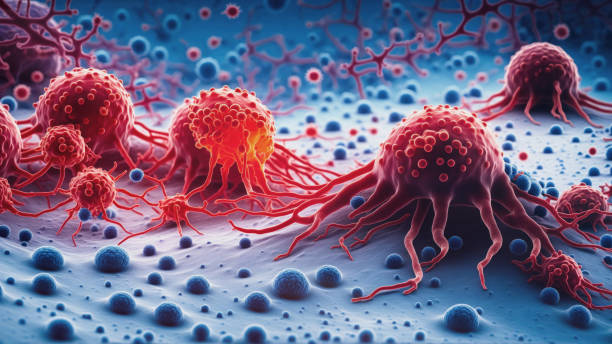

 radiation from tanning beds or sunshine.)
Introduction
Skin cancer is a common type of cancer that mostly affects the skin’s surface and is usually brought on by exposure to ultraviolet (UV) radiation from tanning beds or sunshine. Early detection and successful treatment of skin cancer depend on being able to identify its early indicators. There are three primary forms of skin cancer: melanoma, squamous cell carcinoma, and basal cell carcinoma. Each has a unique appearance.
Pinkish patches of skin or translucent, pearly bumps are common symptoms of basal cell carcinoma (BCC). It may also seem as a sore that keeps healing and opening again. Skin exposed to the sun, such as the face, ears, neck, scalp, shoulders, and back, is typically where BCC develops.
Usually, squamous cell carcinoma (SCC) manifests as a flat lesion with a crusty, scaly surface or as a hard, red nodule. It might also mimic an ongoing sore that refuses to go away. Sun-exposed areas such as the face, ears, neck, hands, and arms are frequently the site of SCC development.
The most dangerous kind of skin cancer, melanoma, frequently presents as a new, odd growth or a change in an already-existing mole. Its hues range from pink, crimson, or even white to black or brown. Melanomas can change in size or color over time, and they may have asymmetrical shapes and uneven borders. Since melanoma spreads swiftly to other parts of the body, early identification is essential.
Early detection of skin cancer requires routine self-examination of the skin. Keep an eye out for any growths or new moles, modifications to the size, shape, color, or texture of already-existing moles, and persistent sores. It is crucial to remember that not every alteration or growth on the skin is malignant, but A healthcare provider should assess any worrying changes as soon as possible.
One way to reduce your exposure to UV radiation is to use sunscreen, wear protective clothes, stay out of the sun during peak hours, and stay away from tanning beds. It is advised that people get regular skin examinations by a dermatologist, particularly if they have fair skin, a family history of skin cancer, or a history of sun exposure.
Summary
For skin cancer, early identification and timely intervention greatly enhance the prognosis. People can prevent skin cancer and safeguard their general health by being aware of the warning signs and symptoms and practicing self-vigilance.