
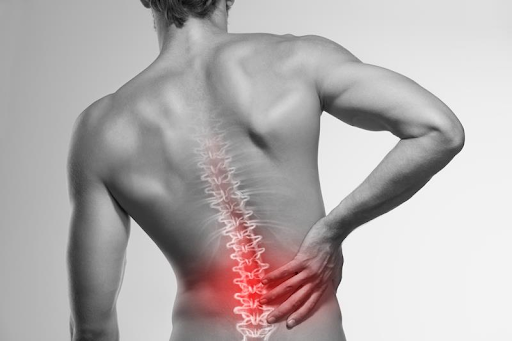


Pain, whether acute or chronic, can significantly impair one’s quality of life. Fortunately, advancements in medical technology and therapeutic approaches have led to more effective pain relief treatments. This comprehensive guide explores modern solutions for pain relief, with a focus on two prevalent conditions: back pain and Achilles tendon rupture.
Understanding Modern Pain Relief
In recent years, pain management has evolved beyond traditional methods, incorporating innovative techniques and technologies. Modern pain relief strategies are designed to address the underlying causes of pain and enhance patient outcomes. From minimally invasive procedures to advanced pharmacological treatments, today’s options provide targeted relief tailored to individual needs.
Back Pain Relief Treatment
Back pain is a common ailment that affects millions globally, often resulting from poor posture, muscle strain, or underlying conditions such as herniated discs or spinal stenosis. Addressing back pain effectively requires a multi-faceted approach:
1. Physical Therapy
Physical therapy is a cornerstone of back pain relief treatment. Tailored exercise programs strengthen core muscles, improve flexibility, and correct postural imbalances. Techniques such as manual therapy, stretching, and strengthening exercises can alleviate pain and prevent recurrence.
2. Advanced Imaging and Diagnosis
Modern diagnostic tools, such as MRI and CT scans, provide detailed images of the spine and surrounding structures. These advanced imaging techniques allow for accurate diagnosis of the specific cause of back pain, enabling targeted treatment strategies.
3. Minimally Invasive Procedures
For patients who do not respond to conservative treatments, minimally invasive procedures such as epidural steroid injections or radiofrequency ablation can offer significant relief. These procedures target inflamed nerve roots or affected spinal joints with precision, minimizing recovery time and reducing the risk of complications.
4. Pharmacological Options
Pharmacological treatments, including non-steroidal anti-inflammatory drugs (NSAIDs), muscle relaxants, and analgesics, remain a mainstay in back pain management. In cases of severe pain, opioids may be prescribed for short-term use, though their use is carefully monitored to avoid dependency.
Achilles Tendon Rupture Treatment
An Achilles tendon rupture is a severe injury often occurring in athletes or individuals engaged in high-impact activities. Effective treatment of this condition is critical to restore function and prevent long-term complications:
1. Conservative Management
In some cases, conservative treatment may be sufficient for Achilles tendon rupture. This approach typically involves immobilization of the affected leg using a cast or brace, combined with physical therapy. Gradual rehabilitation exercises help to restore strength and flexibility to the tendon.
2. Surgical Intervention
For more severe cases, or when conservative management fails, surgical intervention may be required. Modern surgical techniques, such as percutaneous repair or open repair, aim to reattach the ruptured tendon and promote healing. Advances in surgical techniques have improved outcomes and reduced recovery times.
3. Rehabilitation and Recovery
Post-surgical rehabilitation is crucial for optimal recovery. A structured rehabilitation program that includes range-of-motion exercises, strengthening exercises, and gradual return to activity is essential for restoring function and preventing future injuries. The use of advanced modalities such as ultrasound therapy or electrical stimulation can further aid in the recovery process.
4. Innovative Therapies
Recent advancements in regenerative medicine, such as platelet-rich plasma (PRP) therapy and stem cell therapy, offer promising options for Achilles Tendon Rupture Treatment. These therapies leverage the body’s natural healing processes to promote tissue repair and accelerate recovery.
Conclusion
Modern solutions for pain relief have revolutionized the way we approach and manage various types of pain. From innovative diagnostic tools and minimally invasive procedures to advanced pharmacological treatments and regenerative therapies, today’s options provide a comprehensive approach to pain management. Whether addressing back pain or treating an Achilles tendon rupture, these advancements offer hope and improved outcomes for patients seeking effective relief.
By staying informed about the latest developments in pain relief treatments, individuals and healthcare providers can collaborate to choose the most appropriate and effective strategies for managing pain and enhancing quality of life.