
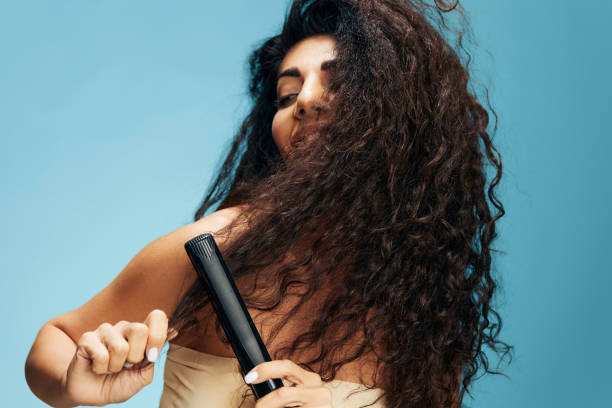


A hair straightener can be a magical tool for achieving sleek, polished styles in minutes. Whether you’re getting ready for a special occasion or simply want a neat everyday look, straightening your hair is often the go-to solution. However, using a straightener incorrectly can lead to more harm than good. From heat damage to frizz and split ends, the results of improper use can affect your hair’s health over time. Here’s a guide on the most common mistakes people make when using a hair straightener—and how to avoid them.
Using a Straightener on Wet or Damp Hair
One of the most damaging mistakes is using a hair straightener on wet or damp hair. The high temperature can cause the moisture inside the hair shaft to rapidly evaporate, leading to breakage and long-term damage. Always make sure your hair is completely dry before you start straightening. Use a blow dryer if needed, but let your hair cool down first before applying direct heat from a straightener.
Skipping Heat Protection
Many people overlook the importance of heat protection when styling their hair. Before using a hair straightener, it’s essential to apply a good heat protectant spray or serum. This forms a protective barrier between your hair and the hot plates, reducing the risk of heat damage. Making this a regular part of your routine will help maintain the health and shine of your hair.
Choosing the Wrong Temperature Setting
Not all hair types require the highest heat setting. Fine or damaged hair needs a lower temperature to avoid unnecessary stress, while thicker or coarser hair may need slightly more heat for effective results. Using a hair straightener with adjustable temperature settings allows you to customise the heat according to your hair type. Always start with a lower setting and increase only if necessary.
Using the Wrong Type of Hair Straightener
The market offers a variety of hair straighteners, but not all are suited for every hair type. Ceramic plates are great for even heat distribution and are suitable for most hair types, while titanium plates heat up faster and work well on thick or coarse hair. Investing in the right tool ensures better results and less damage in the long run.
Straightening Large Sections at Once
Trying to save time by straightening large sections may seem efficient, but it actually results in uneven heat distribution and multiple passes over the same area. This not only compromises the finish but also increases the risk of heat damage. Always section your hair properly and work with small, manageable portions for a smoother and more effective straightening process.
Neglecting Hair Care Between Styling
Consistent use of heat styling demands extra care to keep your hair healthy. Incorporate nourishing hair products into your routine—such as hydrating masks, oils, or leave-in conditioners. These products help repair and protect your hair, especially if you use a straightener regularly.
Not Cleaning Your Hair Straightener
Residue from styling products, dust, and oils can build up on the plates of your hair straightener, affecting its performance and causing uneven heat distribution. It’s important to clean your straightener regularly using a damp cloth (while unplugged and cooled down) to maintain its efficiency and protect your hair from residue-related damage.
Conclusion
Using a hair straightener doesn’t have to be risky—as long as it’s done correctly. By avoiding these common mistakes and being mindful of how you treat your hair before, during, and after straightening, you can enjoy sleek styles without sacrificing hair health. Alongside the right technique, incorporating quality hair products into your regimen will ensure your locks stay strong, shiny, and well-protected.