
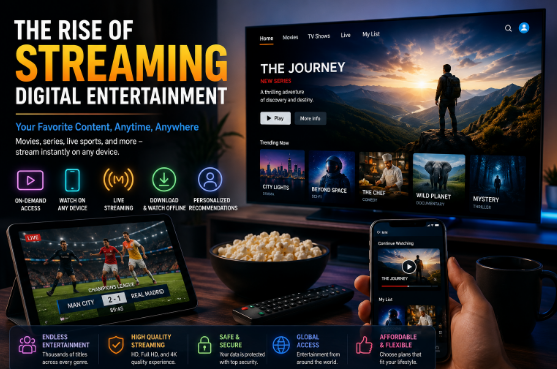


The way people consume entertainment has changed dramatically over the last decade. Traditional television schedules are no longer the center of modern viewing habits, as audiences increasingly prefer on-demand digital experiences that fit their personal lifestyles. Streaming platforms now dominate the entertainment industry by offering instant access to movies, television shows, live sports, documentaries, and online communities from almost anywhere in the world. Alongside these evolving entertainment trends, search terms like slot gacor malam ini continue gaining popularity as internet users explore more interactive forms of online entertainment during late-night browsing sessions.
One of the biggest reasons streaming services continue growing rapidly is convenience. Modern viewers want complete control over what they watch and when they watch it. Instead of waiting for scheduled broadcasts, users can instantly stream their favorite content on smartphones, tablets, smart televisions, and laptops with just a few taps.
The rise of high-speed internet and affordable mobile devices has also made digital entertainment more accessible than ever before. In many countries, streaming platforms are now replacing cable television subscriptions entirely. Younger generations especially prefer flexible entertainment systems that allow them to move seamlessly between devices throughout the day.
Mobile Entertainment Is Changing Viewer Habits
Smartphones have become the primary entertainment device for millions of people worldwide. Whether commuting to work, relaxing at home, or traveling, users can stream videos, listen to music, and join live broadcasts directly from their mobile devices.
This shift toward mobile-first entertainment has forced streaming companies to optimize their platforms for smaller screens and varying internet speeds. Features such as adaptive video quality, offline downloads, and lightweight applications help improve the user experience for mobile audiences.
Many entertainment platforms now design content specifically for short-form viewing habits. Quick videos, vertical streaming formats, and personalized recommendations are increasingly common as platforms compete for user attention in crowded digital spaces.
Artificial intelligence also plays a significant role in modern streaming services. Recommendation algorithms analyze viewing behavior to suggest movies, series, and videos tailored to individual preferences. This personalized approach helps keep audiences engaged while improving user satisfaction.
Live Streaming Has Become Mainstream
Another major trend reshaping the digital entertainment industry is live streaming. Real-time broadcasts are no longer limited to television networks. Today, content creators, influencers, gamers, and media companies all use live streaming to connect directly with audiences.
Live sports streaming remains one of the largest growth sectors within the entertainment market. Fans want instant access to matches, tournaments, and sporting events without relying on traditional cable packages. As a result, streaming services increasingly compete for broadcasting rights to major sporting events worldwide.
Gaming live streams have also exploded in popularity. Platforms such as Twitch and YouTube Gaming allow players to broadcast gameplay while interacting with viewers in real time. This combination of entertainment and community interaction creates highly engaging digital experiences that traditional television cannot easily replicate.
Virtual events, live podcasts, and interactive broadcasts are becoming more common as audiences seek entertainment experiences that feel dynamic and social rather than passive.
Content Diversity Drives Audience Growth
One reason streaming platforms remain successful is the enormous variety of content available to users. Unlike traditional television channels that focus on limited categories, streaming services offer entertainment options for nearly every interest and demographic.
International films, regional television series, independent documentaries, educational programs, and niche entertainment communities all thrive within digital platforms. This global accessibility allows users to discover content from different cultures and languages more easily than ever before.
Streaming companies are also investing heavily in original productions. Exclusive series and films help platforms stand out in an increasingly competitive market. Many streaming-exclusive productions now receive international awards and rival traditional Hollywood releases in terms of quality and popularity.
The demand for localized content is also increasing rapidly. Viewers want entertainment that reflects their own cultures, languages, and experiences. Because of this, many platforms continue expanding regional content libraries to attract broader global audiences.
Technology Continues Improving the Experience
Advancements in technology continue enhancing digital entertainment quality year after year. High-definition streaming, 4K resolution, surround sound systems, and cloud-based streaming infrastructure all contribute to smoother and more immersive viewing experiences.
Faster internet speeds through 5G networks further improve streaming reliability and reduce buffering issues. Users can now stream high-quality video content even while traveling or using mobile networks.
Virtual reality and augmented reality technologies may also play larger roles in future entertainment experiences. Industry experts believe interactive storytelling and immersive virtual environments could redefine how audiences engage with digital media in the coming years.
Challenges Facing the Industry
Despite rapid growth, streaming platforms still face several important challenges. Subscription fatigue is becoming increasingly common as users struggle to manage multiple paid services simultaneously. Competition between platforms also continues intensifying as companies fight for exclusive content and audience loyalty.
Piracy, cybersecurity concerns, and content licensing restrictions remain major issues within the industry. Streaming providers must continue improving security systems while balancing affordability and content accessibility.
Additionally, maintaining viewer attention has become more difficult in an era dominated by social media and short-form content. Platforms constantly experiment with new features, personalized recommendations, and interactive tools to keep audiences engaged longer.
The Future of Digital Entertainment
The future of streaming and online entertainment looks incredibly promising as technology continues evolving. Consumers increasingly expect entertainment experiences that are personalized, flexible, interactive, and available instantly across all devices.
Companies that successfully combine innovation, content diversity, and strong user experiences will likely continue leading the industry in 2026 and beyond. As entertainment habits continue shifting toward digital platforms, streaming services are expected to remain at the center of global media consumption for years to come.