
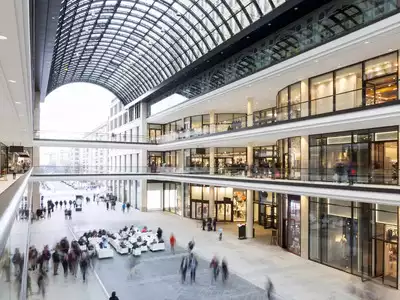


Introduction to the current state of retail real estate
Retail real estate is undergoing a dramatic transformation, especially in the beauty industry. Gone are the days when brick-and-mortar stores simply showcased products on shelves. Today’s consumers are more discerning and demand an experience that resonates with their personal style and preferences.
As brands like Sally Beauty, Ulta Cosmetic, and Sephora adapt to this shifting landscape, they’re not just selling beauty products—they’re curating holistic experiences that engage all five senses. The future of retail will be defined by how well retailers can listen to their customers and respond to their desires. With every visit to a store or click on a website, consumers shape the way beauty is experienced in retail spaces.
This exciting evolution invites us to explore what lies ahead for retailers in this dynamic sector. Let’s dive into how consumer preferences are redefining retail real estate within the vibrant world of beauty!
The changing landscape of the beauty industry
The beauty industry is undergoing a significant transformation. Consumers are no longer passive buyers; they’re active participants in shaping trends and product offerings.
Social media platforms have become powerful influencers. Brands must engage with customers directly, responding to their needs and desires instantly. This shift has fostered a more personalized shopping experience.
Sustainability also plays a crucial role today. Eco-conscious consumers prioritize brands that emphasize ethical sourcing and sustainable packaging. Retailers are adapting by integrating these values into their business models.
Moreover, inclusivity is gaining traction across the sector. Beauty products now cater to diverse skin tones and types, reflecting society’s rich variety.
As preferences evolve, retailers like Sally Beauty, Ulta Cosmetic, and Sephora must remain agile—constantly innovating to maintain relevance in an ever-changing market landscape.
How consumer preferences are shaping the future of retail real estate
Consumer preferences are driving a seismic shift in retail real estate. Shoppers today seek more than just products; they desire experiences that resonate with their lifestyles.
Beauty retailers like Sally Beauty and Sephora understand this trend well. By creating inviting spaces, they foster community engagement and loyalty among their clientele. These brands prioritize immersive environments over traditional transactional stores.
The demand for sustainability also influences location decisions. Consumers increasingly favor eco-friendly practices, pushing retailers to consider greener buildings and designs.
Personalization is another critical factor shaping the landscape of retail real estate. Shoppers want tailored experiences that reflect their unique tastes, prompting beauty brands to rethink store layouts and product displays.
As desires evolve, so too must the strategies employed by beauty retailers within the realm of retail real estate. Adapting to these consumer-driven changes is essential for staying relevant in a competitive market.
Examples of successful retailers adapting to consumer demands
Sally Beauty has embraced the shift towards online shopping, enhancing their digital presence with an intuitive website and mobile app. They offer virtual consultations, allowing customers to receive personalized advice from experts without stepping foot in a store.
Ulta Cosmetic is another standout example. Their stores blend retail and salon services seamlessly. This dual approach caters to consumers seeking convenience while also enjoying a pampering experience all under one roof.
Sephora takes it further by integrating technology into the shopping journey. Their Virtual Artist feature lets users try on makeup virtually before purchasing, bridging the gap between online and offline experiences.
These brands are not just selling products; they’re creating tailored solutions that meet evolving consumer expectations. In doing so, they redefine what beauty retail can be in today’s dynamic landscape.
Technology’s impact on beauty in retail real estate
Technology is revolutionizing beauty in retail real estate. From virtual try-ons to augmented reality experiences, consumers now engage with products like never before. Retailers are leveraging these tools to enhance shopping experiences.
Sally Beauty and Ulta Cosmetic are leading the charge by integrating tech into their stores. Customers can sample shades using apps that simulate how products will look on them. This not only boosts confidence but also drives sales.
Sephora takes it a step further with digital kiosks providing personalized recommendations based on customer preferences. Data analytics helps retailers understand consumer behavior and tailor offerings accordingly.
The rise of e-commerce means brick-and-mortar stores must evolve too. Technology bridges the gap between online convenience and in-store interaction, creating a seamless experience for shoppers.
As innovation continues to shape retail real estate, beauty brands must adopt new technologies or risk falling behind in this fast-paced market.
The importance of experiential shopping in the beauty industry
Experiential shopping has emerged as a game-changer in the beauty industry. Consumers today crave more than just products; they seek memorable experiences that resonate on a personal level.
Stores like Sephora and Ulta Beauty have mastered this concept. Their immersive environments invite customers to explore, test, and engage with products firsthand. This hands-on approach builds trust and connection between consumers and brands.
Interactive events, such as makeup tutorials or skincare consultations, create community vibes. Customers feel valued when retailers invest in their knowledge and skills.
Moreover, experiential shopping encourages social sharing. Shoppers love documenting their experiences on social media platforms, turning visits into marketing opportunities for brands without any extra cost.
As beauty retail continues to evolve within the landscape of commercial real estate, prioritizing experience over simple transactions will define success going forward. Retailers who embrace this shift can expect loyal customers eager to return again and again.
Strategies for retailers to stay competitive in the evolving market
Retailers must embrace agility to thrive in today’s dynamic market. This means being responsive to consumer trends and preferences. Staying attuned to social media conversations can provide valuable insights.
Personalization is key. Tailoring offers based on customer behavior fosters loyalty and enhances the shopping experience. Creating a seamless omnichannel presence also empowers consumers, allowing them to interact with brands when and how they choose.
Collaboration with influencers adds authenticity and reaches wider audiences. Retailers like Sally Beauty leverage partnerships effectively, driving traffic both online and offline.
Investing in staff training ensures that employees are knowledgeable about products, enhancing customer service. Engaging associates can transform routine interactions into memorable experiences.
Sustainability practices resonate deeply with today’s conscious consumers. Brands that prioritize eco-friendly initiatives not only attract loyal customers but also differentiate themselves in the marketplace.
Conclusion: Embracing change and staying ahead in the beauty industry
Adapting to the ever-changing landscape of retail real estate is crucial for beauty brands. The rise of consumer preferences drives innovation and transformation within this sector. Retailers like Sally Beauty, Ulta Cosmetic, and Sephora showcase what it means to listen and respond effectively.
Embracing technology enhances customer experiences and streamlines operations. Virtual try-ons or personalized consultations are just a few examples that keep shoppers engaged. Beyond convenience, consumers seek memorable shopping experiences that create deeper connections with brands.
As the beauty industry continues to evolve, those who prioritize experiential shopping will thrive. Retailers must craft spaces that invite exploration—interactive displays or serene consultation areas can elevate an ordinary visit into something remarkable.
Staying competitive requires agility in strategy and execution. Brands should remain vigilant about emerging trends while fostering strong relationships with their customers. By doing so, they not only meet expectations but also anticipate future desires.
The world of beauty retail is in constant flux, driven by consumers who demand more than products; they crave experiences tailored just for them. Adapting to these changes isn’t merely an option—it’s essential for success in this vibrant market.